Pantry Recipes When You Have Nothing To Eat
I stood in my kitchen at 9:42 p.m. on a Tuesday, staring at a bag of rice, a can of chickpeas, and a half-empty bottle of soy sauce. The fridge held mustard and one egg. Delivery would cost $22 after tip and fees. I had $8 in my checking account until Friday.
That was the night I stopped looking at my pantry as a collection of random items and started seeing it as a system. Every culture on earth has a cuisine built on this exact scenario. Italians have pasta e ceci. Koreans have gyeran bap. Indians have khichdi. These are not sad meals. They are the backbone of how people actually eat.
Here is what I learned that night and have refined over years of cooking from a bare cupboard: you do not need recipes. You need a formula. Once you learn it, you will never open your pantry and see “nothing” again.
The Formula That Works Every Time
Every pantry meal needs three things. No exceptions.
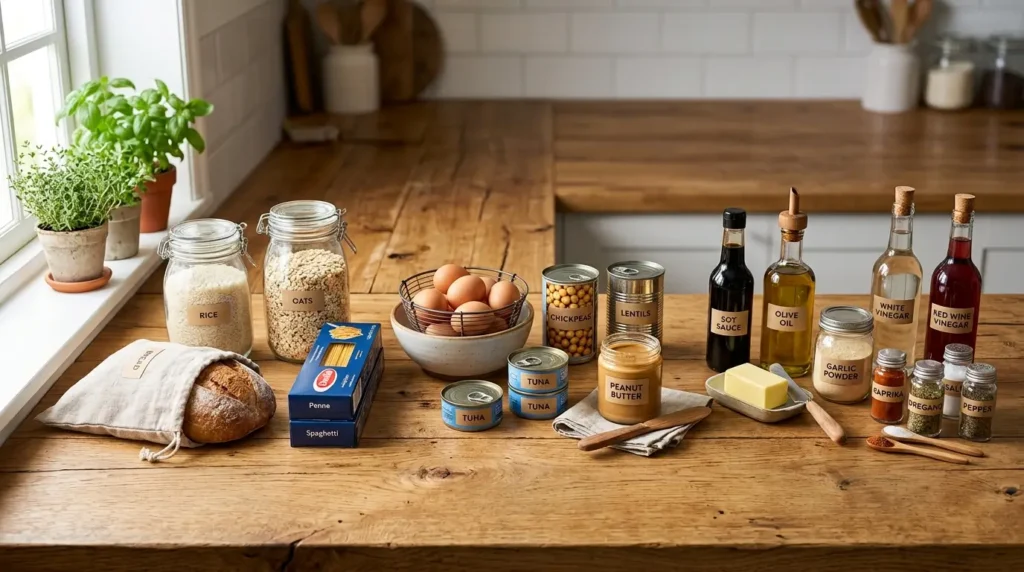
A base. This is your carbohydrate. It fills stomachs and carries flavor. Rice, pasta, noodles, bread, oats, flour, tortillas, crackers, or potatoes. You have at least one of these. I have never seen a kitchen without rice or flour.
A protein. This makes the meal stick. Canned beans, lentils, chickpeas, tuna, sardines, eggs, peanut butter. Even a single egg transforms a bowl of rice into dinner. A can of chickpeas costs about $0.89 and contains 15 grams of protein.
A sauce or seasoning. Fat plus salt plus acid equals flavor. Oil, butter, soy sauce, hot sauce, vinegar, bouillon cubes, garlic powder, cumin, pickle juice. You do not need all of them. You need one fat and one salt source. That is the minimum.
| Base | Protein | Sauce/Seasoning |
|---|---|---|
| Rice | Canned beans | Soy sauce and butter |
| Pasta | Canned tuna | Olive oil and garlic powder |
| Oats | Peanut butter | Salt and hot water |
| Flour | Egg | Salt and oil |
| Bread | Sardines | Hot sauce |
Run this checklist next time you feel stuck. Pick one from each column. You have a meal concept. The rest is execution.
Rice-Based Meals
Rice is the most common pantry staple on earth. More than half the world eats it daily. If you have rice, you have the foundation for dozens of meals.
Pantry Fried Rice
Cold rice works best here. Day-old is ideal, but you can spread fresh rice on a plate and let it steam off for ten minutes. Heat a tablespoon of oil in a skillet over high heat. Add the rice. Let it sit without stirring for a full minute so the bottom crisps. Toss. Push the rice to one side. Crack an egg into the empty space. Scramble it. Mix together. Add soy sauce. Add a drizzle of sesame oil if you have it. That is the whole dish. It takes eight minutes. It costs about $0.50.
Rice and Beans, But Better
Cook your rice. While it steams, melt a tablespoon of butter in a small pan. Add a pinch of garlic powder or cumin. Stir in a drained can of beans. Chickpeas, black beans, kidney beans, white beans. All of them work. Warm through. Season with salt and pepper. Pour over the rice. If you have hot sauce, add it now. If you have a bouillon cube, dissolve it in the rice cooking water for more depth.
Congee
This is rice porridge. It sounds too simple to be good. It is not. Use six parts water to one part rice. Simmer gently for 45 minutes, stirring a few times. The rice breaks down into a creamy, comforting porridge. It triples in volume. One cup of rice feeds four people. Top with a fried egg, soy sauce, and chili oil if you have it. This is breakfast, lunch, or dinner across China, Korea, and Japan. When I have a cold or a bad day, I make congee.
Rice and Lentils Together
Combine half a cup of rice and half a cup of dried lentils in a pot. Add two cups of water and a bouillon cube. Bring to a boil, cover, simmer for 20 minutes. Both cook in the same pot in the same time. Fluff with a fork. Add a pat of butter. This is khichdi, more or less, a dish eaten by millions of people across South Asia every single day.
Also Read: How To Make Moist Banana Bread Every Time 2026
Pasta With Whatever You Have
Pasta requires salt, water, and fat. Everything else is bonus.
Aglio e Olio
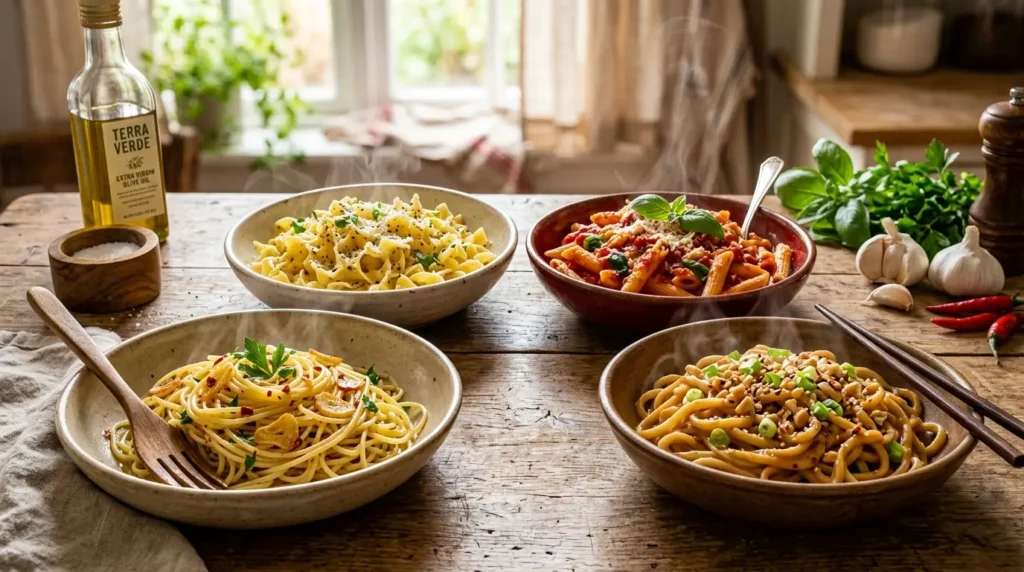
This is garlic and oil pasta. It is a Roman dish. It requires three ingredients. Boil spaghetti or any long pasta. While it cooks, warm a quarter cup of olive oil over low heat. If you have garlic cloves, slice three thin and cook until golden at the edges. If you do not have fresh garlic, use a quarter teaspoon of garlic powder. Add a pinch of red pepper flakes. Drain the pasta but save half a cup of the cloudy cooking water. Toss the pasta with the oil, adding splashes of the starchy water until a sauce forms. The starch water and oil emulsify into something creamy. Grated parmesan on top if you have it. This costs about $0.60 per serving and you can find it on restaurant menus for $16.
Buttered Noodles
Cook any short pasta. Egg noodles are best but anything works. Drain. Toss with a generous pat of butter, salt, and black pepper. From here, add whatever you find. A drained can of tuna. A spoonful of sour cream. Frozen peas if you have them. My mother made this when the fridge was bare and we felt lucky to eat it.
Pasta With Canned Tomatoes
Cook garlic or onion powder in oil for thirty seconds. Pour in a can of crushed or diced tomatoes. Add a pinch of sugar. Simmer while the pasta cooks. Combine. This is a basic marinara in ten minutes. Add a drained can of lentils to the sauce for protein and a meaty texture.
Peanut Noodles
Mix two tablespoons of peanut butter with a tablespoon of soy sauce, a splash of vinegar or lime juice, and enough warm water to thin it to a sauce consistency. Toss with hot spaghetti or rice noodles. Eat warm or cold. This tastes like the peanut noodles from a takeout container. No fresh ingredients required.
Canned Protein Meals
Canned proteins are cooked and shelf-stable for years. You are reheating, not cooking from raw.
Tuna and White Bean Salad
Drain a can of tuna. Drain a can of cannellini beans or chickpeas. Toss with olive oil, salt, pepper, and a splash of vinegar or lemon juice. Add dried oregano or onion flakes. Eat as is, on crackers, or over rice. Three minutes. High protein. Costs about $1.20 total.
Quick Chickpea Curry
Cook onion powder or dried onion flakes in oil for thirty seconds. Add a teaspoon of curry powder or garam masala. Stir until fragrant. Pour in a drained can of chickpeas and a can of diced tomatoes. Simmer for ten minutes. Serve over rice. Canned coconut milk makes it richer but is not required. If you only have curry powder and chickpeas, you have a meal.
Sardines on Toast
Toast bread. Rub a cut garlic clove on it if you have one. Lay sardines on top. Hot sauce or a squeeze of lemon cuts the richness. This is a common breakfast in Portugal and a cheap, high-omega-3 lunch anywhere.
Pantry Chili
Combine one can of kidney beans, one can of black beans, one can of diced tomatoes, and a tablespoon of chili powder in a pot. Add cumin if you have it. Simmer for fifteen minutes. Serve with rice, bread, or crackers. This feeds four people using nothing but cans and dried spices. Cost is about $3.50 total.
Flour and Water Miracles
Flour and water create bread. This fact alone means your pantry is never truly empty.
Flatbread
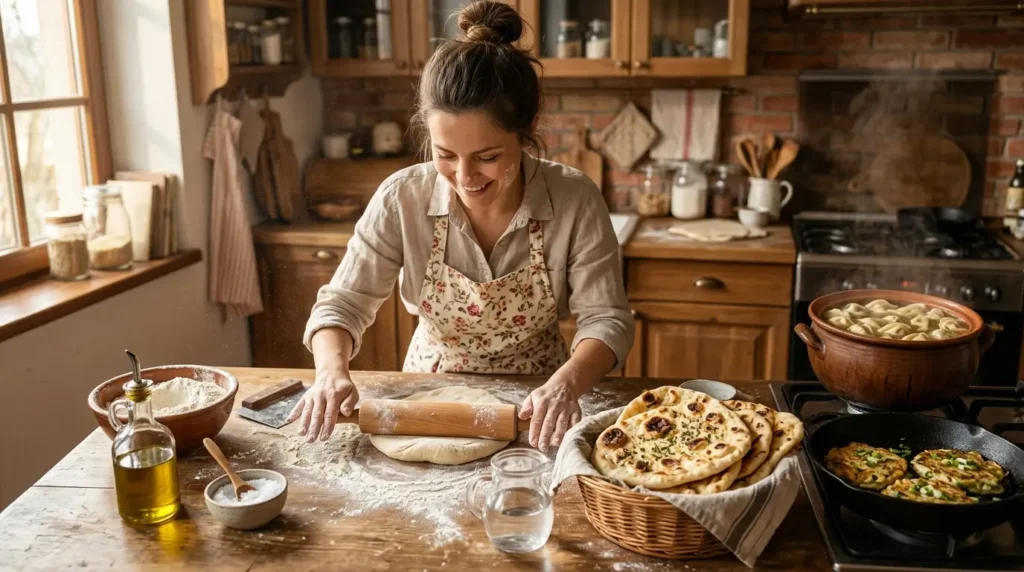
Mix one cup of flour, a pinch of salt, and enough water to form a dough. Knead for a minute. Let it rest for ten minutes. Divide into balls, roll or press flat, and cook in a dry skillet over medium-high heat. One minute per side. These are essentially chapatis. They cost pennies. They turn a can of beans into a meal you eat with your hands. I make these when I run out of bread and the result is better than anything from a bag.
Savory Pancakes
Mix flour, water, an egg if you have one, salt, and any dried herb or spice. Pour into a buttered skillet. Cook until golden on both sides. Eat with soy sauce or hot sauce. These are chewy, satisfying, and ready in five minutes.
Dumplings for Soup
Mix flour, a pinch of salt, and water into a stiff dough. Drop small spoonfuls into simmering broth or salted water. They cook in about three minutes and float when done. These turn a cup of bouillon broth into a meal. This exists in some form in Hungarian, Czech, Jewish, and Southern American cooking. It is not fancy. It is filling.
When You Lack Energy Too
Sometimes the problem is not just an empty pantry. It is an empty tank. You need food but you cannot face cooking. This is common. It is not a moral failing.
Depression Meal Principles
A meal that happens is better than a meal that does not. Lower every barrier. Eat components separately if assembling feels like too much. A can of beans eaten straight from the can with salt is protein and fiber. A spoonful of peanut butter is calories and fat. A bowl of rice with butter requires four minutes of microwaving.
No-Cook Pantry Meals
Canned chickpeas tossed with olive oil and salt. Crackers with tuna. Bread with peanut butter. Oats soaked in water or milk for ten minutes with a pinch of salt. These require zero cooking. They are real meals.
Microwave Mug Meals
Beat an egg in a mug with a fork. Add a splash of milk or water. Microwave for 45 seconds. Fluff with the fork. Eat with soy sauce or salt. Scramble an egg in a mug with leftover rice. Microwave for one minute. Add soy sauce.
Food Safety Rules for Pantry Cooking
Canned goods last years past their printed date if stored properly. The date on the can is a quality indicator, not a safety expiration. The USDA confirms this. But there are lines.
When to discard a can
Bulging lid. Rust that does not wipe off. Hissing when opened. Contents that spray out under pressure. Any off smell. These are botulism risks. Do not taste suspicious food. Throw it away.
Raw flour
Flour is a raw agricultural product. It can carry E. coli and Salmonella. Do not eat raw dough or batter. Cook flour-based foods before eating. This is not a niche warning. The CDC has documented multiple outbreaks linked to raw flour.
Rinsing beans
Rinse canned beans under cold water. It removes about 40 percent of the sodium and reduces the compounds that cause gas. Your stomach will notice the difference.
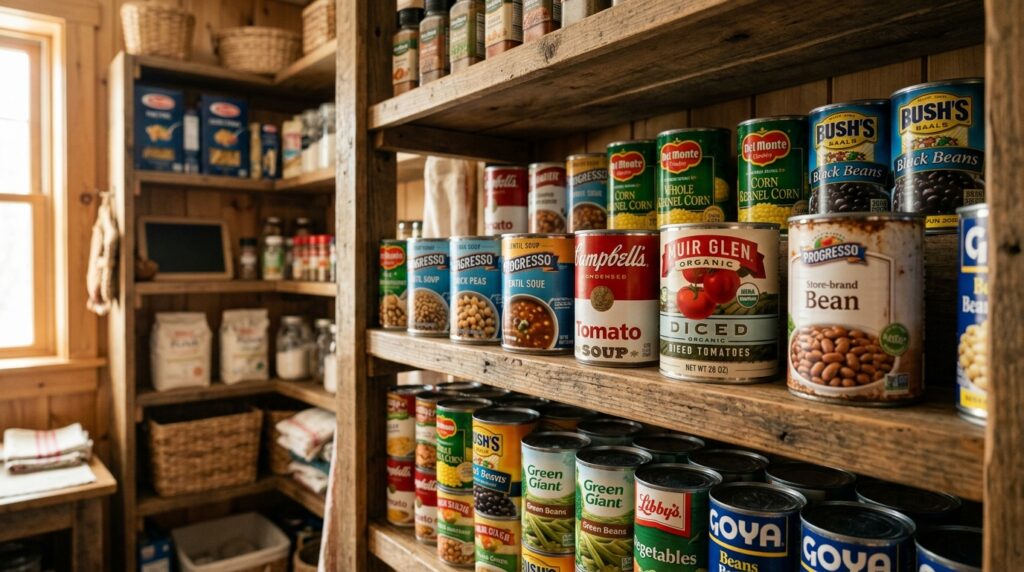
What to Stock for Next Time
You got through tonight. Now prevent the next crisis. A foundational pantry costs between $50 and $75 and lasts for months.
Grains: Rice, pasta (two shapes), oats, all-purpose flour, cornmeal.
Canned proteins: Chickpeas, black beans, white beans, tuna, sardines.
Canned vegetables: Diced tomatoes, crushed tomatoes, corn.
Fats: Olive oil, vegetable oil, butter (freezes well), peanut butter.
Flavor: Soy sauce, vinegar, hot sauce, bouillon cubes, salt, pepper, garlic powder, onion powder, cumin, chili powder, dried oregano.
Refrigerator items that last: Eggs, parmesan cheese, mustard, pickles.
With these items, you can make every recipe in this article and dozens more. You do not need to buy them all at once. Add one or two items each grocery trip until the pantry fills in.
Frequently Asked Questions
What can I make when I have literally nothing?
Flour, water, and salt make flatbread. Rice and water make congee. If you have a single can of beans and some salt, you have a meal. The bar for “literally nothing” is lower than most people think.
How can I feed my family with no money until payday?
Rice and beans together form a complete protein. A pound of rice and a pound of dried beans cost about $3 total and will feed a family of four for multiple meals. Add whatever seasoning you have. Contact local food banks. They exist for exactly this situation.
What is a depression meal?
A meal that requires minimal effort when you have no energy to cook. Examples include canned beans straight from the can, peanut butter on bread, rice with butter and soy sauce, or oats soaked in water. The goal is calories and nutrition with the lowest possible barrier.
Are expired canned goods safe?
Usually. Canned goods are safe for two to five years past their best-by date if the can is undamaged and stored in a cool, dry place. High-acid foods like tomatoes have a shorter window. Discard any can that bulges, hisses, or smells wrong.
How do I make food taste good without fresh ingredients?
Salt and fat first. Butter or oil in the pan. Soy sauce on the finished dish. Then acid: vinegar, hot sauce, or pickle juice brighten everything. Spices bloomed in hot oil for thirty seconds release more flavor than spices added at the end.
What if I do not have a stove or power?
Canned beans, tuna, peanut butter, crackers, and oats soaked in water all require zero cooking. A can of chickpeas with salt and olive oil is a meal. A peanut butter sandwich is a meal. Focus on what you can open and eat, not what you can cook.
How do I stock a pantry on a tight budget?
Buy one extra item each grocery trip. Start with rice and dried beans. Add canned tomatoes next. Then oil. Then spices one at a time. In two months you will have a functional pantry without a single large expense. Dollar stores carry name-brand canned goods for $1.25.
Can I make vegan pantry meals?
Yes. Rice and beans, pasta with canned tomato sauce, peanut noodles, lentil soup, chickpea curry, and flatbread are all vegan as written. Use oil instead of butter. The formula does not change.
What is the cheapest complete meal?
Rice and lentils cooked together with salt and oil. Cost is under $0.40 per serving. It provides protein, carbohydrates, and fiber. It is nutritionally complete enough that millions of people eat some version of it daily.
Where can I get free food if I have nothing?
Food banks, community fridges, and religious organizations offer free food. Sikh gurdwaras serve free vegetarian meals to anyone regardless of faith. Many churches and mosques run food pantries. Search “food bank near me” or “community fridge [your city]” for local options. These services exist for you.
You Have More Than You Think
I made it through that Tuesday night on a bowl of rice with a fried egg and soy sauce. It took ten minutes. It cost less than a dollar. It was warm and filling and I went to bed fed.
The pantry looked empty because I was looking for ingredients to follow a recipe. When I started looking for categories instead, the picture changed. A grain. A protein. A flavor. You have these things. You can eat tonight.
Do not wait until the cupboard feels fuller or the fridge looks better or the paycheck arrives. Cook something now with what you have. That is the skill. It serves you forever.
Suggested Internal Link Topics
-
Essential Pantry Staples for Every Budget
-
Canned Food Safety and Shelf Life Guide
-
Global Rice Dishes From Pantry Ingredients
-
Depression Meals: Low-Effort Food When You Are Struggling
-
How to Find Food Assistance Near You
-
One-Pot Pantry Meals for Minimal Cleanup
Leave a Reply